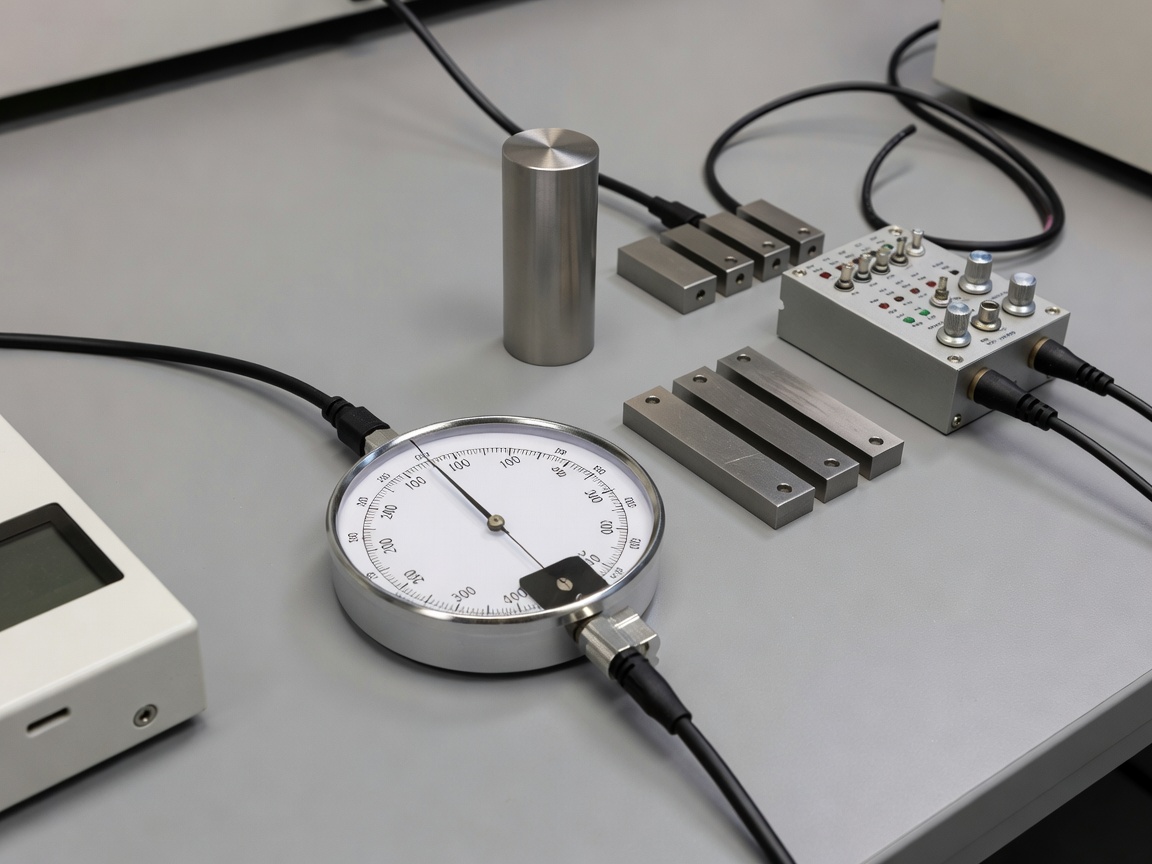
What it covers
Calibration is the controlled comparison of an instrument with a reference. The reference, method, environment and acceptance criteria depend on the equipment type and intended application. A calibration review may concern an oscilloscope, multimeter, battery tester, sensor tester or another measurement device.
When it is useful
Use calibration support when a scheduled review is due, a measurement looks inconsistent, an instrument has suffered impact or repair, or a quality system requires traceable records. Calibration is also useful when several technicians use the same instrument and need a common procedure.
What to check
- Instrument identity, serial information and current condition.
- Manufacturer guidance and stated calibration interval.
- Reference equipment suitable for the measurement category.
- Environmental conditions that can affect the observation.
- Results, limitations, adjustment status and next review point.
Typical workflow
The instrument is identified and inspected before measurement. The applicable procedure is then selected. Readings are taken against an appropriate reference and recorded with the conditions that matter. If an adjustment is permitted, it is handled according to the equipment documentation. A verification step follows any intervention.
Accuracy is equipment-specific
There is no universal automotive diagnostic tolerance. A value depends on the instrument, range, reference, application and manufacturer requirements. We do not assign a generic accuracy percentage or create a certificate where the source information does not support one.
Calibration versus functional testing
Functional testing asks whether an instrument operates and responds. Calibration examines the relationship between its indication and a reference. An instrument can power on and still require calibration review. Conversely, a calibration check does not replace inspection of damaged cables or connectors.
Documentation
A useful record identifies the equipment, method, reference, date, observed condition and outcome. Any limitation should be visible. The record should also state whether the instrument was adjusted, returned without adjustment or referred for further service.
Limitations
Calibration cannot correct a damaged input, unstable power supply or unsuitable test lead. It also cannot make an instrument suitable for a task outside its design. Manufacturer procedures and applicable measurement standards remain the controlling sources.
Next action: provide the instrument category, identification details and reason for review. We will define the control path without inventing tolerances.